Now recruiting!

The Weiss Lab Highlights

Current Projects

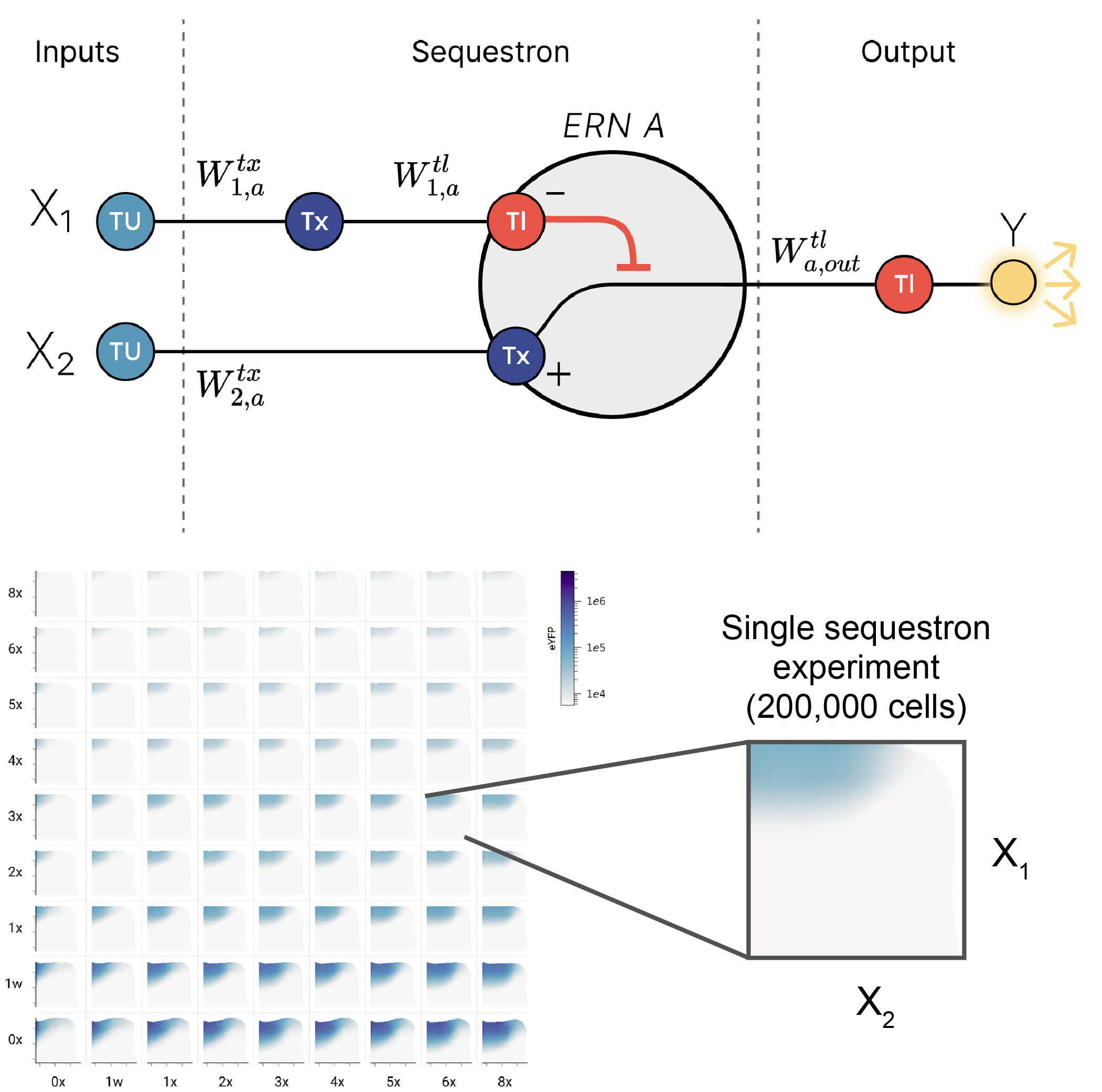
Neuromorphic Bio-computing

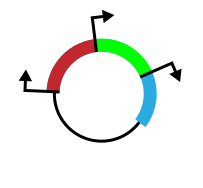
Living cells can be engineered to perform neuromorphic computation using genetic circuits that emulate neural dynamics through regulation and molecular interactions. Our work combines simulation, experimental validation, and formal optimization to create scalable biomolecular neural networks capable of analog computation, feedback control, and self-adaptive learning.

Learn more
Neuromorphic Bio-computing

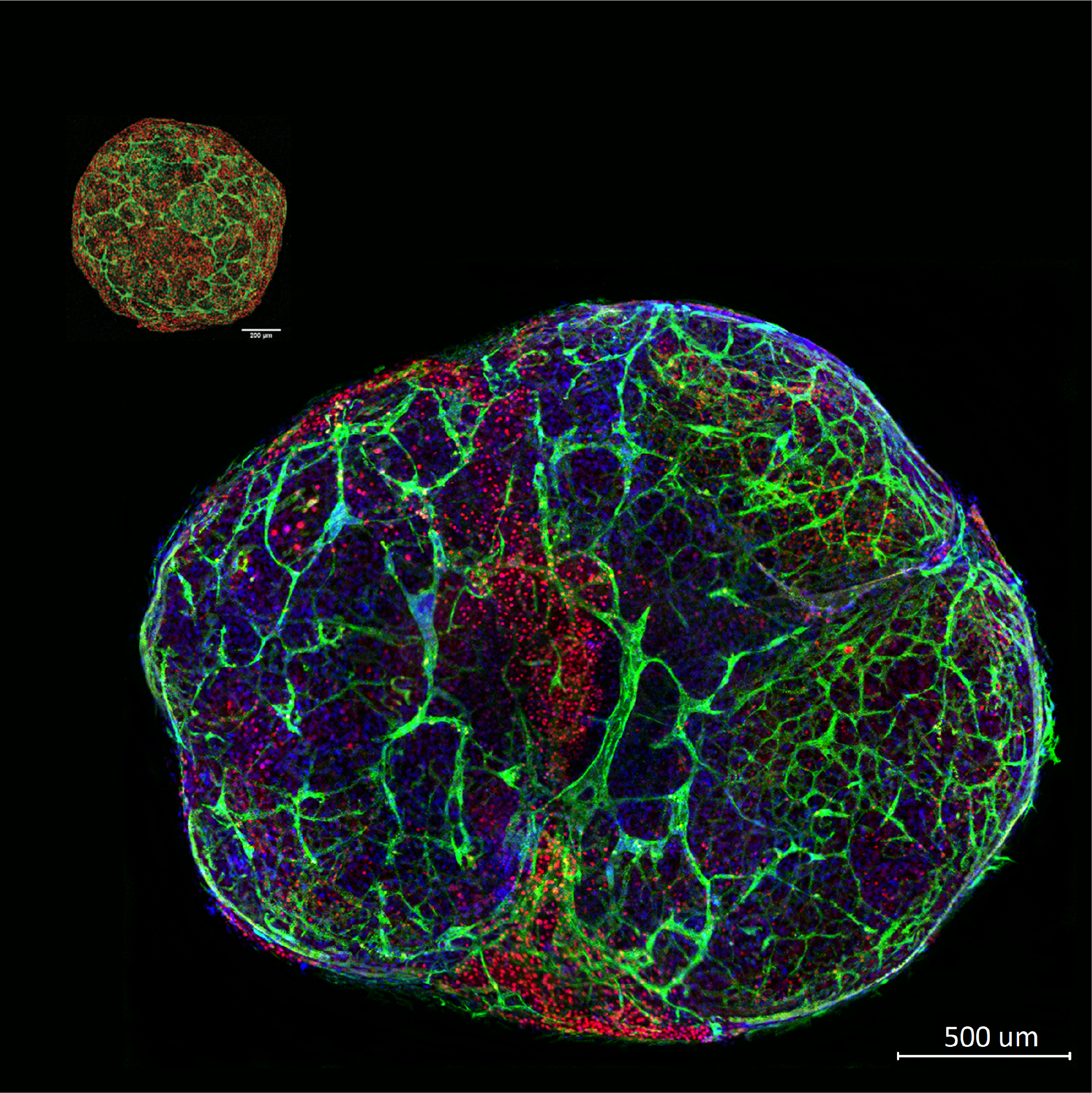
Programmable organoids and synthetic morphogenesis

We engineer morphogenesis as an executable genetic program, designing circuits that direct cell fate, differentiation, and self-organization into defined 3D structures. Through synthetic gene networks linking lineage specification to spatial patterning, our work has established design rules, computational frameworks, and genetic control systems that guide multicellular organization—from stem cell–derived tissues to programmable organoids for disease modeling and regenerative medicine.

Learn more
Programmable organoids and synthetic morphogenesis

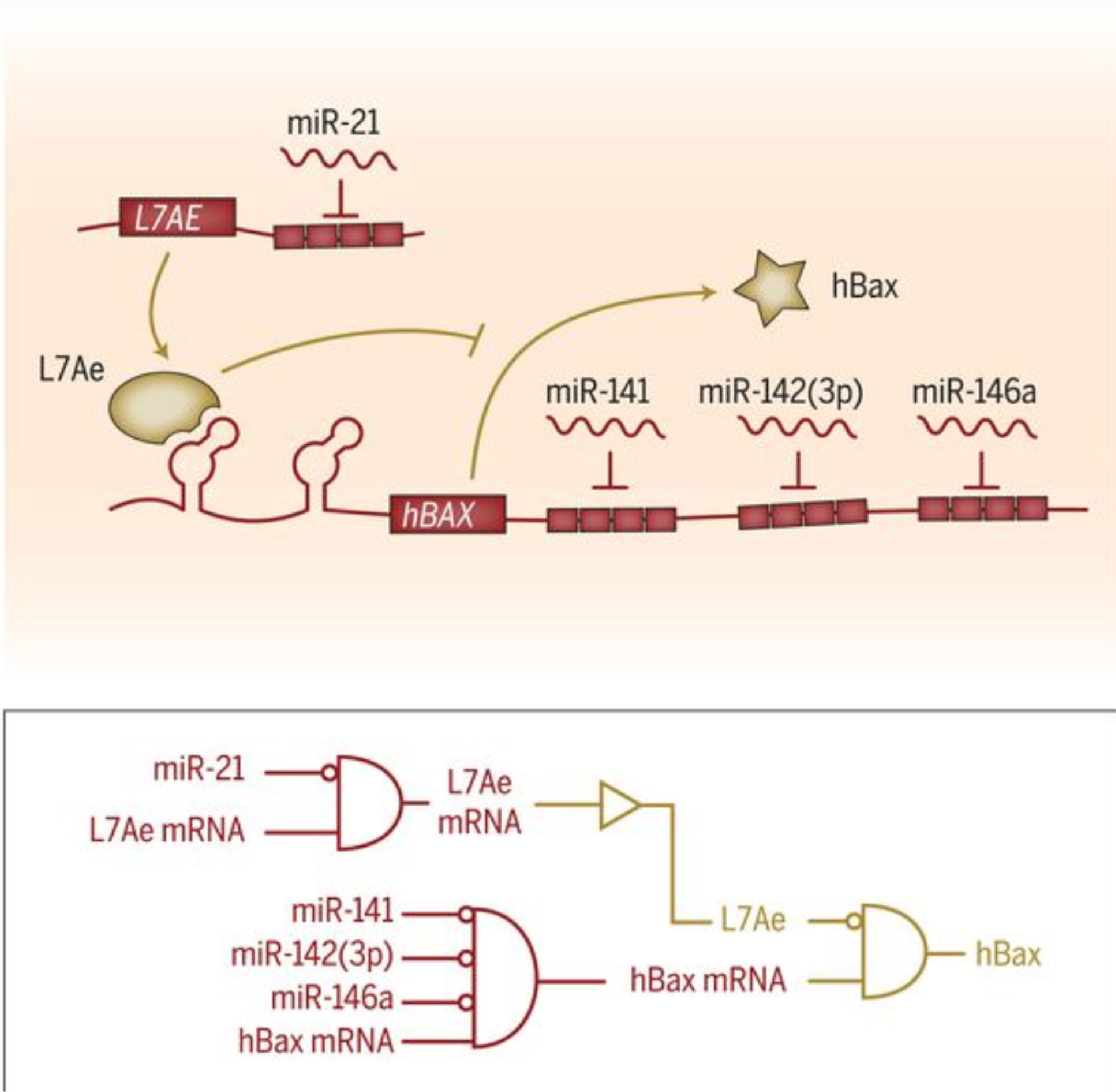
RNA synthetic biology

We pioneered transcription-independent genetic control in mammalian cells, developing RNA-only logic circuits using RNA-binding proteins, miRNA-tuned elements, and self-amplifying RNA replicons that function in vivo without genomic integration. These advances—from model-driven replicon design and CRISPR- or small-molecule-regulated RNA circuits to clinically validated saRNA therapies—culminated in programmable RNA medicines such as STX-001, which has shown favorable safety and antitumor activity in Phase I trials.

Learn more
RNA synthetic biology

The Boss

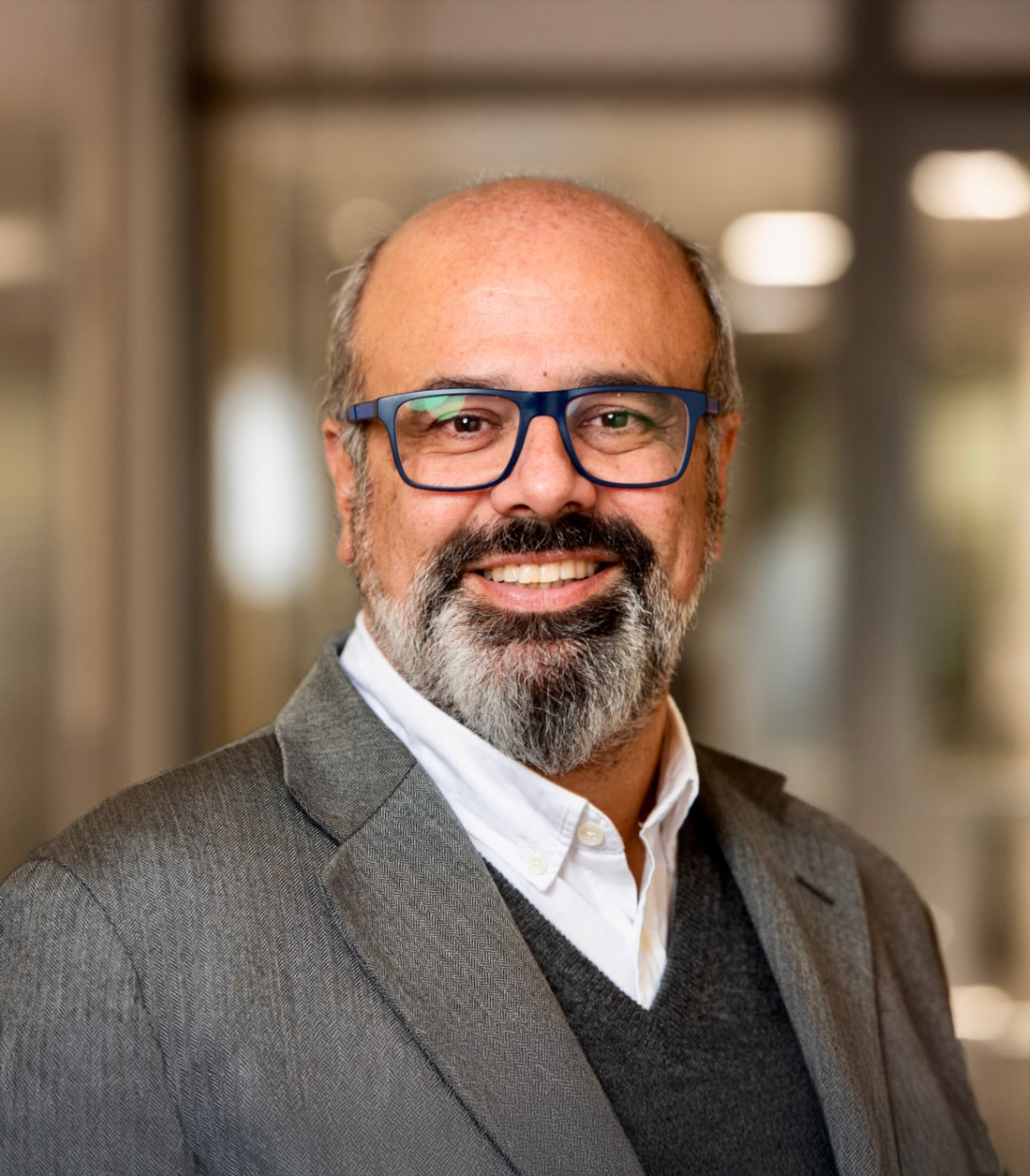
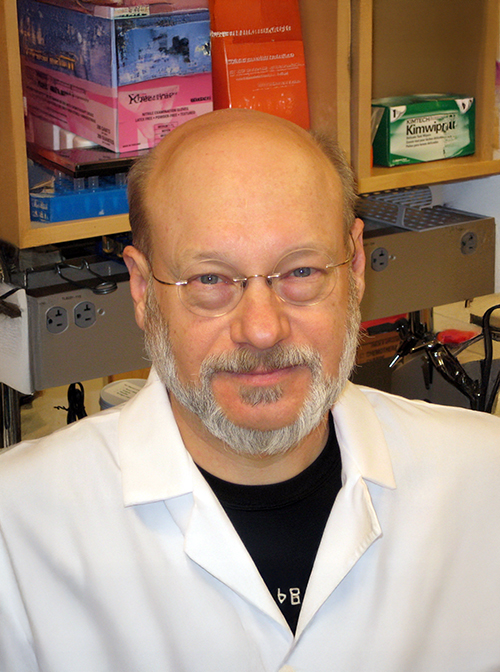
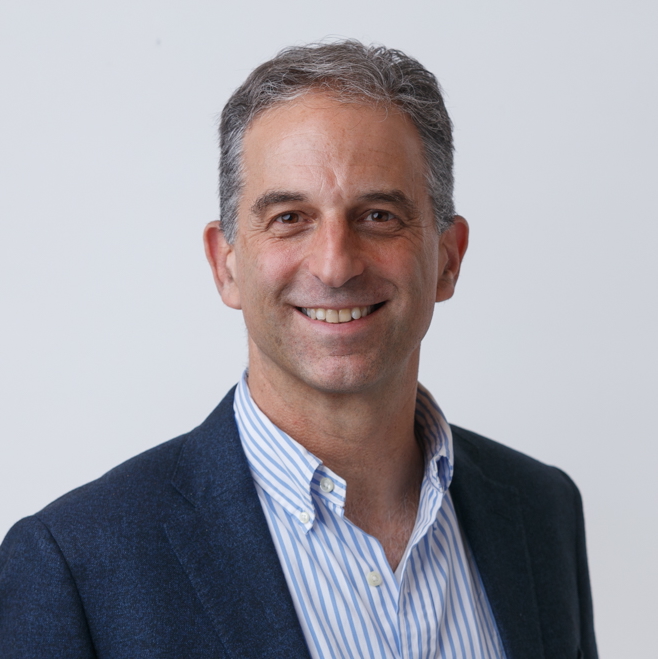
Prof. Ron Weiss

Prof. Ron Weiss

Principal Investigator

Prof. Ron Weiss is a pioneer in synthetic biology whose career began at MIT in 1996, when he helped establish a wet lab in the Electrical Engineering and Computer Science Department as a graduate student. After earning his PhD, he joined the faculty at Princeton University before returning to MIT in 2009, where he now serves in both Biological Engineering and Electrical Engineering and Computer Science and directs the MIT Synthetic Biology Center. His influential work on engineering gene networks and programming cells to communicate has helped shape the field, evolving from studies in bacteria to mammalian systems with applications in cancer immunotherapy, vaccines, and programmable organoids.
Staff

PhD Students

Postdocs

Other Family Members

Undergrads

Publications

2025

2024

2023

2022

2021

2020

2019

2018

2017

2016

2015

2014

2013

2012

2011

2010

2009

2008

2007

2006

2005

2004

2003

2002

2000

  • Amorphous computing — H. Abelson, D. Allen, D. Coore, C. Hanson, G. Homsy, T.F. Knight, R. Nagpal, E. Rauch, G.J. Sussman, R. Weiss , Communications of the ACM (2000)

1997

1995

1993

No year

  • Toward Quantitative Comparison of Fluorescent Protein Expression Levels via Fluorescent Beads — J. Beal, N. DeLateur, R. Weiss, J. Sexton, J.J. Tabor
  • TASBE: A Tool-Chain to Accelerate Synthetic Biological Engineering — J. Beal, R. Weiss, D. Densmore, A. Adler, J. Babb, S. Bhatia, N. Davidsohn, T. Haddock, F. Yaman, R. Schantz, J. Loyall
  • Synthetic Gene Regulatory Systems — M. Kærn, R. Weiss
  • A Content Routing System for Distributed Information Servers — M.A. Sheldon, A. Duday, R. Weiss, J.W. O'Toole
  • Toward Programming 3D Shape Formation in Mammalian Cells — J. Tordoff, J. Beal, R. Weiss
  • Automatic Compilation from High-Level Languages to Genetic Regulatory Networks — J. Beal, T. Lu, R. Weiss
  • Erratum: Open-source, community-driven microfluidics with Metafluidics — D.S. Kong, T.A. Thorsen, J. Babb, S.T. Wick, J.J. Gam, R. Weiss, P.A. Carr, H. König, S. Mukherjee, R. Seshadri, N.J. Varghese, E.A. Eloe-Fadrosh, J.P. Meier-Kolthoff, M. Göker, R.C. Coates, M. Hadjithomas, G.A. Pavlopoulos, D. Paez-Espino, Y. Yoshikuni, A. Visel, W.B. Whitman, G.M. Garrity, J.A. Eisen, P. Hugenholtz, A. Pati, N.N. Ivanova, T. Woyke, H. Klenk, N.C. Kyrpides, R.K. Varshney, C. Shi, M. Thudi, C. Mariac, J. Wallace, P. Qi, H. Zhang, Y. Zhao, X. Wang, A. Rathore, R.K. Srivastava, A. Chitikineni, G. Fan, P. Bajaj, S. Punnuri, S.K. Gupta, H. Wang, Y. Jiang, M. Couderc, V. Garg, N. Desai, D. Doddamani, N.A. Kane, J.A. Conner, A. Ghatak, P. Chaturvedi, S. Subramaniam, O.P. Yadav, C. Berthouly-Salazar, F. Hamidou, J. Wang, X. Liang, J. Clotault, H.D. Upadhyaya, P. Cubry, B. Rhoné, M.C. Gueye, R. Sunkar, C. Dupuy, F. Sparvoli, S. Cheng, R.S. Mahala, B. Singh, R.S. Yadav, E. Lyons, S.K. Datta, C.T. Hash, K.M. Devos, E. Buckler, J.L. Bennetzen, A.H. Paterson, P. Ozias-Akins, S. Grando, J. Wang, T. Mohapatra, W. Weckwerth, J.C. Reif, X. Liu, Y. Vigouroux, X. Xu, H. Xu, R.S.T. Gilliam, S.D. Peddada, G.M. Buchold, T.R.L. Collins
  • A Software Stack for Specification and Robotic Execution of Protocols for Synthetic Biological Engineering — V. Vasilev, C. Liu, T. Haddock, S. Bhatia, A. Adler, F. Yaman, J. Beal, J. Babb, R. Weiss, D. Densmore
  • The Device Physics of Cellular Logic Gates — R. Weiss, S. Basu
  • Toward Automated Selection of Parts for Genetic Regulatory Networks — F. Yaman, S. Bhatia, A. Adler, D. Densmore, J. Beal, R. Weiss, N. Davidsohn

Contact

Opportunities

We are interested in exceptional students, postdoctoral associates, and technical assistants who are interested in working at the cutting-edge of synthetic biology.

Undergraduate students: please consider applying to the MIT iGEM team or browsing UROP Announcements.

Graduate students: MIT has decentralized admissions and while we take students from many departments (BE, ChE, EECS, Chemistry, Biology, CSBi), your best bet is to apply to the Biological Engineering or EECS graduate programs.

Postdoctoral scholars: we often have announcements listed below for targeted projects or you may send a cover letter and CV to Professor Weiss at rweiss@mit.edu.

Where to find us

Street Address
500 Technology Square
Cambridge, MA 02139
Mailing Address
77 Massachusetts Avenue
Cambridge, MA 02139

Copiright Weiss lab 2025, designed by Gustavo Aguilar